


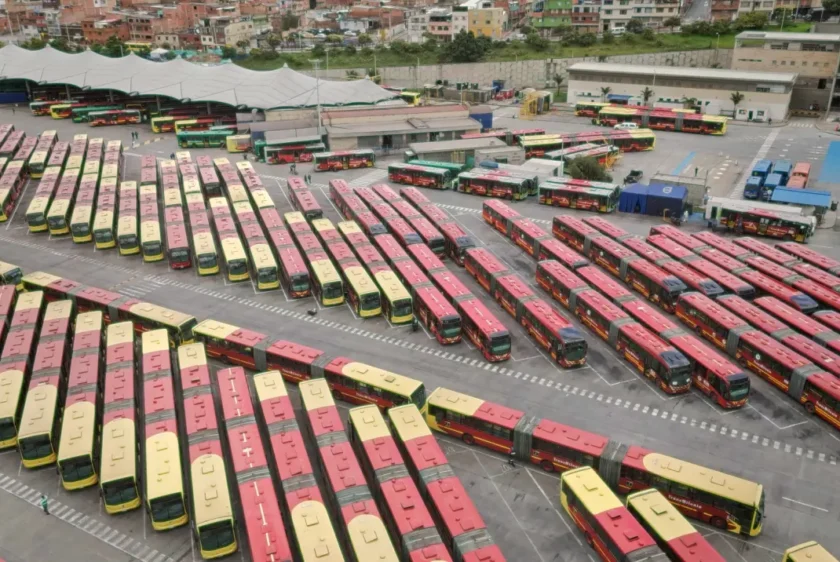
Electromobility has ceased to be a technological promise and has become a strategic decision for building fairer, healthier, and more sustainable cities. Electrifying public transport not only reduces emissions and noise but also connects the environmental and social agendas: it improves air quality, protects vulnerable populations, and increases service reliability for those who depend on buses.
However, the challenge is not only technical: it requires well-structured projects, innovative financial and contractual models, and coordination among authorities, operators, the energy sector, and financiers. Long-term contracts, clear payment sources, appropriate risk allocation, and the separation between asset provision and operation are examples of regional best practices that facilitate investment and scalability.
Each city needs its own roadmap, adapted to its institutional, fiscal, and operational context. Technical cooperation—such as that promoted by CIDEU and VGMobility—helps transform vision into implementation through technical knowledge, financial analysis, and peer learning. The key question is not whether electromobility will arrive, but how it will arrive to generate real and equitable benefits in daily life.
